This On Call International article will discuss the following:
-
- How telehealth is transforming travel risk management and global medical assistance, highlighting the evolution of virtual healthcare from a pandemic-era solution to a core component of modern travel support, providing travelers with rapid access to medical professionals regardless of location.
- How telehealth helps travelers manage medical concerns while abroad, including remote medical consultations, symptom assessment, prescription support, care coordination, and access to medical guidance in situations where local healthcare may be difficult to access, unfamiliar, or disrupted.
- The strategic value of telehealth in supporting traveler health, safety, and organizational resilience, demonstrating how virtual care can improve medical triage, enhance continuity of care, reduce disruptions, support travelers during crises, and strengthen overall travel risk management programs as global mobility continues to expand.
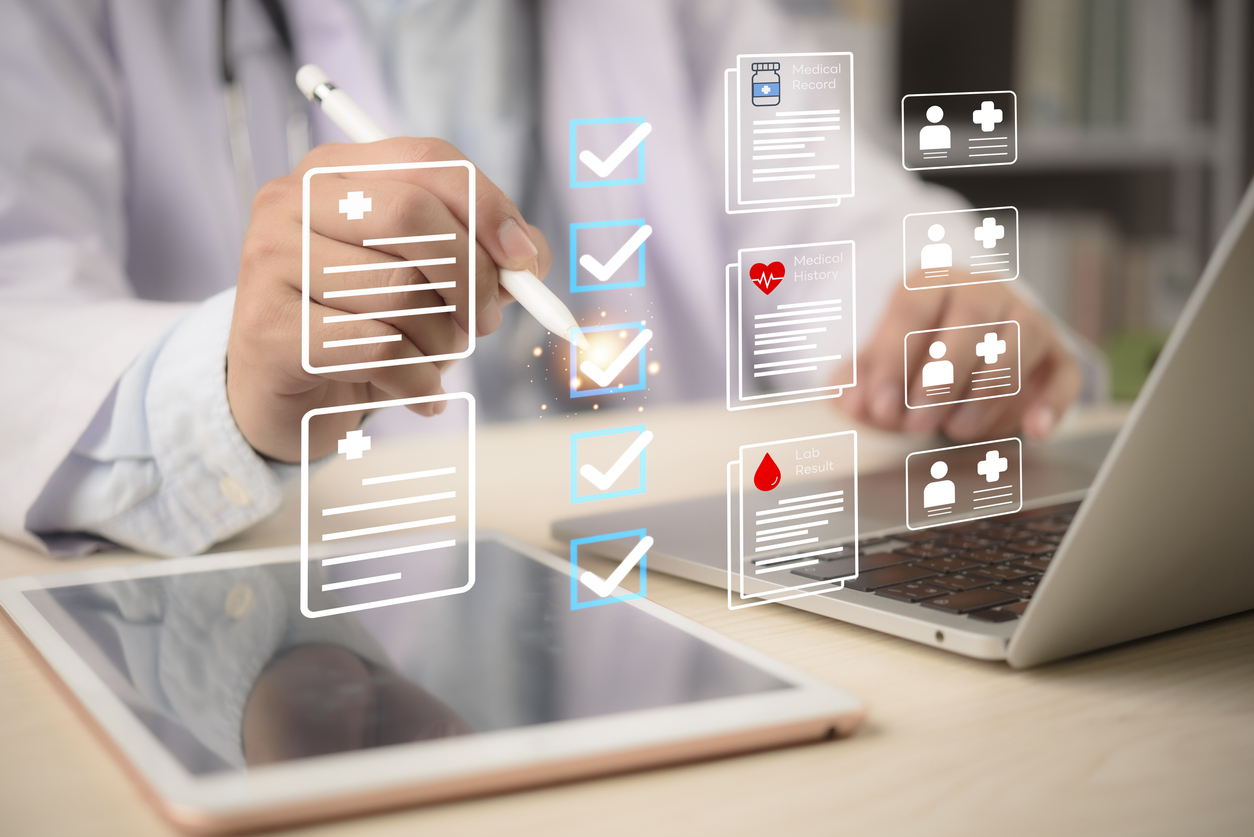
In the post-pandemic travel landscape, telehealth has quietly shifted from a stopgap solution to a core pillar of how medical assistance is delivered across borders. What began as an emergency response has evolved into a cornerstone of modern travel risk management, integrating virtual medical care into the wider global assistance landscape and bringing healthcare directly to travelers, wherever they are in the world.
Through the integration of cloud-based telehealth platforms into global assistance programs, organizations are now providing employees and travelers with immediate, around-the-clock access to licensed medical professionals. A traveler who falls ill on assignment or develops symptoms in a remote area can connect with a physician virtually, often within minutes. During the consultation, the doctor can assess symptoms, provide treatment guidance, and, if necessary, issue prescriptions to a nearby pharmacy, all without the disruption or risk of visiting an unfamiliar medical facility.
For many organizations, this remote access helps to determine whether a traveler needs urgent local care, can self-monitor with medication, or simply requires reassurance when far from home.
For global security and medical assistance teams, the benefits extend far beyond convenience. Telehealth enables faster triage, better coordination with local clinics, and more efficient case management in high-risk or resource-constrained environments. During natural disasters, political unrest, or public health crises, virtual care becomes an operational lifeline, bridging the gap when local systems are strained or unsafe to access.
These capabilities are increasingly embedded in day-to-day global assistance operations, shaping how medical and security teams respond when travelers face uncertainty or limited access to care while abroad. The following examples, drawn from real On Call assistance cases, illustrate how telehealth is being used in practice – from managing routine medication needs and providing clinical reassurance, to conducting remote triage and maintaining continuity of care.
Case Study: A Lifeline in Lockdown
When widespread protests broke out in Nairobi earlier this year, an operations consultant working for a multinational firm found herself confined to her hotel as roadblocks cut off access to major hospitals. With mounting anxiety and a persistent fever, she used her company’s assistance to initiate a telehealth consultation. Within minutes, she was connected to an English-speaking physician licensed to prescribe locally. After reviewing her symptoms, the doctor prescribed medication electronically to a local pharmacy.
The intervention was not only medical, it was logistical too. What could have been a medical evacuation or days of uncertainty was resolved through one virtual interaction, proving how telehealth can deliver care even when mobility and access collapse.
Case Study: Sourcing Medication Abroad
While traveling in Madagascar, an NGO traveler realized she didn’t have enough of her asthma medication to last the duration of her trip. She reached out to her company’s medical assistance provider to help navigate her options for obtaining a refill locally. A same-day telehealth appointment with a licensed physician was arranged and they were able to prescribe a refill of the asthma medication that met local regulatory requirements. With guidance from the assistance firm, she filled the prescription at a nearby pharmacy and was able to continue her assignment without disruption.
Case Study: Finding the Right Care
A traveler visiting Thailand was experiencing headaches and muscle tension. Seeking medical support, the traveler called her company’s travel assistance provider to arrange a doctor’s appointment.
After consulting directly with the traveler, the assistance firm determined urgent medical care was not necessary and instead, coordinated a telehealth appointment. The doctor was able to assess the symptoms virtually and prescribe appropriate medication. The traveler was guided towards a local pharmacy where they were able to get the prescription filled.
More Than Convenience
Looking ahead to 2026, telehealth will move from a value-added service to a core pillar of global travel risk management. The convergence of artificial intelligence, cloud infrastructure, and real-time health data will enhance diagnostic accuracy, shorten response times, and strengthen continuity of care for mobile employees.
For travelers, telehealth offers more than convenience – it offers reassurance. In regions where political unrest, natural disasters, or limited medical infrastructure are a reality, the ability to access healthcare through a secure, cloud-based platform transforms the traveler experience from being potentially exposed to being actively empowered.
As global mobility continues to expand, the ‘cloud-to-clinic’ model represents not just an innovation in healthcare delivery, but a strategic imperative. For organizations, investing in telehealth today means building resilience for tomorrow’s unpredictable world.
About On Call International
When traveling, every problem is unique–a medical crisis, a political threat, even a missed flight. But every solution starts with customized care that ensures travelers are safe and protected. That’s why for over 30 years, On Call International has provided fully-customized travel risk management and emergency assistance services, protecting millions of travelers, their families, and their organizations. Visit https://www.oncallinternational.com and follow us on LinkedIn to learn more.