
This On Call International article will discuss the following:
-
- How travelers with diabetes can prepare for safe and successful travel experiences, highlighting the importance of pre-travel planning, healthcare provider consultations, medication management, medical documentation, and understanding how changes in routine can affect blood glucose control while traveling.
- Practical strategies for managing diabetes during travel, including planning for time zone changes, packing sufficient medications and supplies, traveling with insulin and diabetes devices, monitoring blood glucose levels more frequently when routines change, maintaining proper foot care, and preparing for unexpected delays or disruptions.
- The role of healthcare resources and emergency assistance in supporting travelers with diabetes abroad, emphasizing how travelers can access medical guidance, replace lost medications or supplies, connect with local healthcare providers, utilize telehealth services, and coordinate emergency medical support when diabetes-related concerns arise during travel.
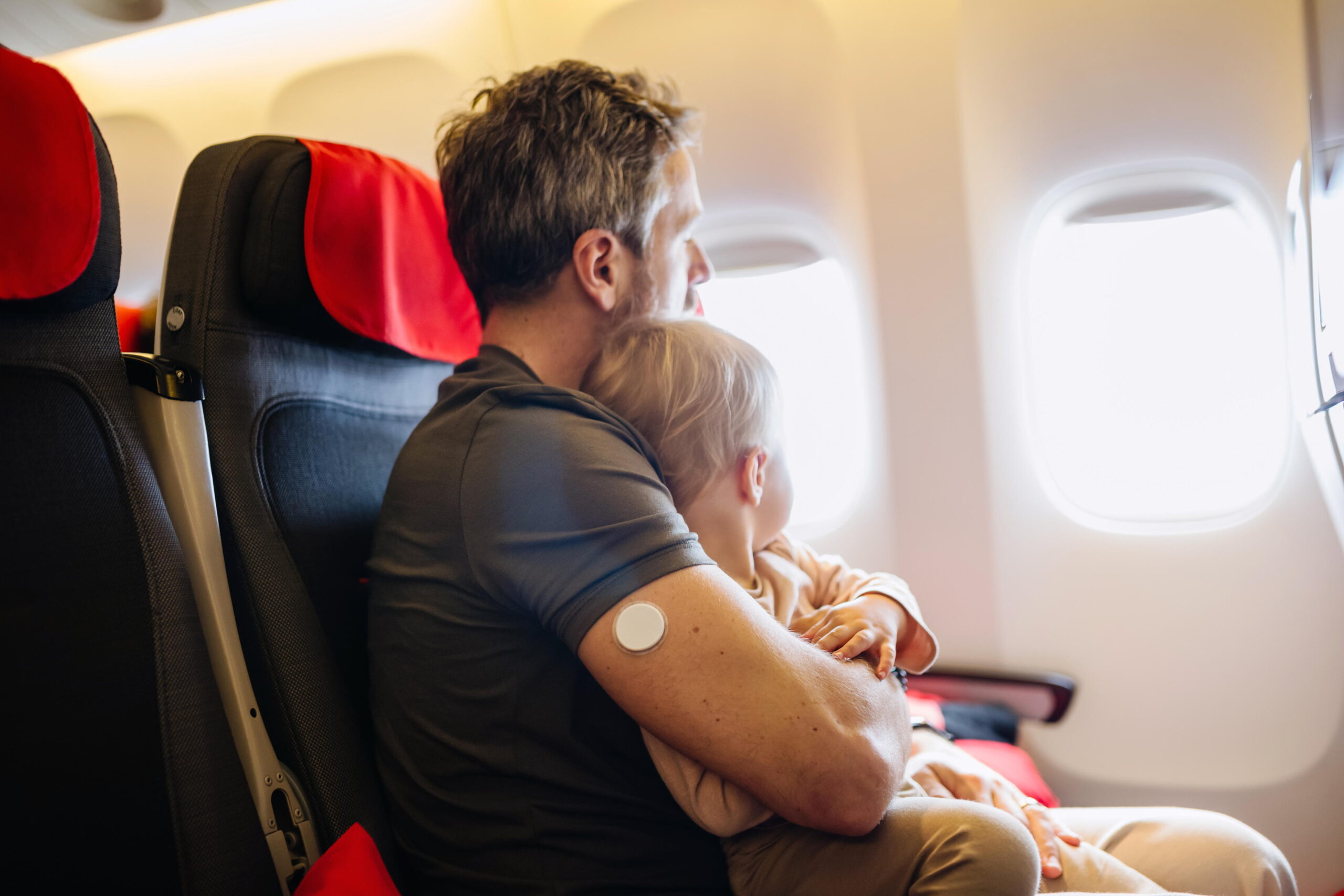
Travel can change many of the routines that make diabetes easier to manage at home. Different meal times, changes in physical activity, time-zone shifts, unfamiliar foods, and long travel days can all affect blood glucose levels. The good news is that most of these changes can be planned for ahead of time.
Our Chief Medical Officer, Dr. Michelle Nathan, shares practical guidance for managing diabetes while away from home, from keeping medications and supplies accessible to navigating time zones, meals, and changes in activity.
Review the Diabetes Care Plan Before Departure
Travelers with diabetes should meet with their healthcare provider 4–6 weeks before departure to review how their usual diabetes management plan may need to account for the trip.
Bringing an itinerary to the appointment can help guide the conversation, particularly when a trip involves crossing multiple time zones. Changes in sleep and meal schedules can affect when insulin and other diabetes medications are taken, so it is important to have clear instructions for medication timing before leaving home rather than trying to make adjustments once the trip is underway.
This is also a good time to discuss planned activities, how often blood glucose should be monitored, what to do if readings fall outside the traveler’s usual range, and how to manage diabetes during an illness. Those who use insulin pumps, continuous glucose monitors (CGMs), or other diabetes technology should review any travel-specific considerations for their devices as well.
The goal is to leave the appointment with a clear plan for managing diabetes when the usual daily schedule changes.
Pack More Than the Expected Amount
Having enough medication and supplies is one of the most important parts of preparing for travel with diabetes. Travelers should bring enough for the entire trip plus extra to account for delays, lost supplies, or unexpected changes in plans.
Insulin, other medications, glucose testing supplies, CGM or pump supplies, batteries or chargers, and anything routinely used to manage low blood glucose should stay in carry-on luggage rather than checked baggage. Keeping these items nearby means they remain accessible throughout the trip and are not separated from the traveler if checked luggage is delayed or lost.
Temperature is especially important for insulin and certain other diabetes medications. Insulin should not be allowed to freeze or be exposed to excessive heat. Follow the manufacturer’s storage instructions and use an appropriate insulated travel case when necessary. Insulin should not be placed directly against ice or frozen gel packs.
Travelers should also carry a current medication list and relevant medical information, including their diabetes diagnosis, allergies, healthcare provider’s contact information, and emergency contacts.
Plan Ahead for Diabetes Devices
Insulin pumps, CGMs, and other diabetes technology can make managing diabetes easier while traveling, but the equipment needs its own travel plan.
Before departure, check the manufacturer’s instructions for the specific device, particularly when it comes to airport security screening. Some devices have specific recommendations regarding X-rays, body scanners, or other screening equipment. Let security personnel know about the device before screening begins and request an alternative screening method when recommended by the manufacturer.
Medications, syringes, insulin delivery supplies, and medically necessary liquids may also require additional screening. Keeping supplies organized and clearly labeled can make the process easier.
Bring enough device supplies to account for the entire trip plus unexpected delays, including extra sensors, infusion sets, batteries, chargers, or other components as appropriate. Anything essential to managing diabetes should remain accessible rather than being placed in checked luggage.
Account for Time Zones, Meals, and Activity
One of the biggest differences between managing diabetes at home and managing it while traveling is that the usual schedule can disappear quickly.
Crossing time zones can make a day significantly longer or shorter, which may affect insulin and medication timing. Travelers should follow the plan established with their healthcare provider rather than simply switching to local time without accounting for their medication schedule.
Meal timing and food choices can be less predictable as well. Flight delays, activities, unfamiliar restaurants, and changes in daily schedules can all affect when and what someone eats. Anyone at risk for low blood glucose should keep an appropriate fast-acting source of glucose readily available rather than relying on being able to find food when symptoms develop.
Activity levels can also change substantially. A day spent exploring a new city may involve much more physical activity than a typical day at home, while a long flight can mean hours of relative inactivity. Both can influence blood glucose levels. Monitoring according to the established diabetes care plan can help identify and address changes early.
Pay Attention When the Routine Changes
Travel introduces variables, and blood glucose may not respond exactly as it does at home. More frequent monitoring may be needed when there are significant changes in food, activity, sleep, climate, or schedule.
Travelers should know the signs of both hypoglycemia and hyperglycemia and follow their established care plan when glucose levels fall outside their target range. When traveling with others, it can also be helpful for at least one companion to know that the traveler has diabetes, recognize the signs of low blood glucose, and know where emergency supplies are kept.
Illness deserves particular attention because it can make blood glucose more difficult to manage. Follow the sick-day plan provided by the healthcare team, continue monitoring as directed, and know which symptoms or glucose readings require medical attention.
Feeling unwell should not automatically be attributed to jet lag, unfamiliar food, or a busy travel day. Severe or persistent symptoms, including those associated with dangerously high or low blood glucose, require prompt medical attention.
Don’t Forget About Foot Care
Travel often means spending more time on the feet, making foot care an important part of managing diabetes while away.
Comfortable, properly fitting shoes should be broken in before the trip rather than worn for the first time while traveling. Check the feet regularly for blisters, cuts, redness, swelling, or other changes and address problems promptly.
Travelers with diabetes should avoid walking barefoot, particularly on hot surfaces, beaches, around pools, or anywhere an unnoticed cut or burn could occur. For those with neuropathy, an injury or temperature-related burn may not be immediately noticeable, making regular visual checks particularly important.
Any wound that is not healing normally or shows signs of infection should be evaluated by a healthcare professional.
Know Who to Call if Medical Care Is Needed
Before departure, travelers should understand their travel insurance and emergency assistance benefits and know how to access them while away. Emergency assistance providers such as On Call can help navigate healthcare in unfamiliar destinations when a diabetes-related need arises.
Depending on the situation, this could include arranging a telehealth consultation, connecting a traveler with an appropriate local healthcare provider, or helping locate a pharmacy when medication or supplies need to be replaced. This can be particularly useful if insulin is lost, a prescription needs to be replaced, or a device issue requires medical support in an unfamiliar location.
For more serious medical situations, an emergency assistance provider can help coordinate care between medical teams and facilitate medical transportation or evacuation when medically necessary.
Keep the emergency assistance provider’s contact information readily accessible throughout the trip, including a copy somewhere other than a phone. When something unexpected happens, knowing who to call can make it easier to focus on the medical need rather than figuring out how to navigate local healthcare.
Preparation Helps Keep Diabetes in the Background
Diabetes management does not stop when travel begins, but it does not need to become the focus of the trip.
A clear medication and monitoring plan, extra supplies, properly prepared diabetes devices, an understanding of how changing routines may affect blood glucose, and a reliable resource to call if medical care is needed can all help travelers manage their diabetes away from home.
The objective is to anticipate the variables that travel can introduce. When those details are addressed ahead of time, travelers can spend less time thinking about diabetes management and more time enjoying their trip.
Want to ensure your travelers are equipped with the information and resources they need for safe, healthy, and successful trips? Contact us today to learn more.
About On Call International:
When traveling, every problem is unique–a medical crisis, a political threat, even a common incident such as a missed flight. But every solution starts with customized care that ensures travelers are safe and protected. That’s why for over 30 years, On Call International has provided fully-customized travel risk management and emergency assistance services protecting millions of travelers, their families, and their organizations. Visit www.oncallinternational.com and follow us on LinkedIn to learn more.