Executive Summary
On Call International’s Chief Medical Officer, Dr. Michelle Nathan, highlights how immunocompromised travelers face elevated health risks and emphasizes the importance of proactive planning to support safer travel outcomes.
-
- Schedule pre-travel medical review 4-6 weeks in advance to assess risks, update vaccines, and plan medications based on destination
- Minimize exposure during travel through strict hygiene, food/water safety, masking in crowded settings, and vector protection
- Prepare for emergencies by carrying medications properly and ensuring access to qualified care, assistance services, and adequate travel medical coverage
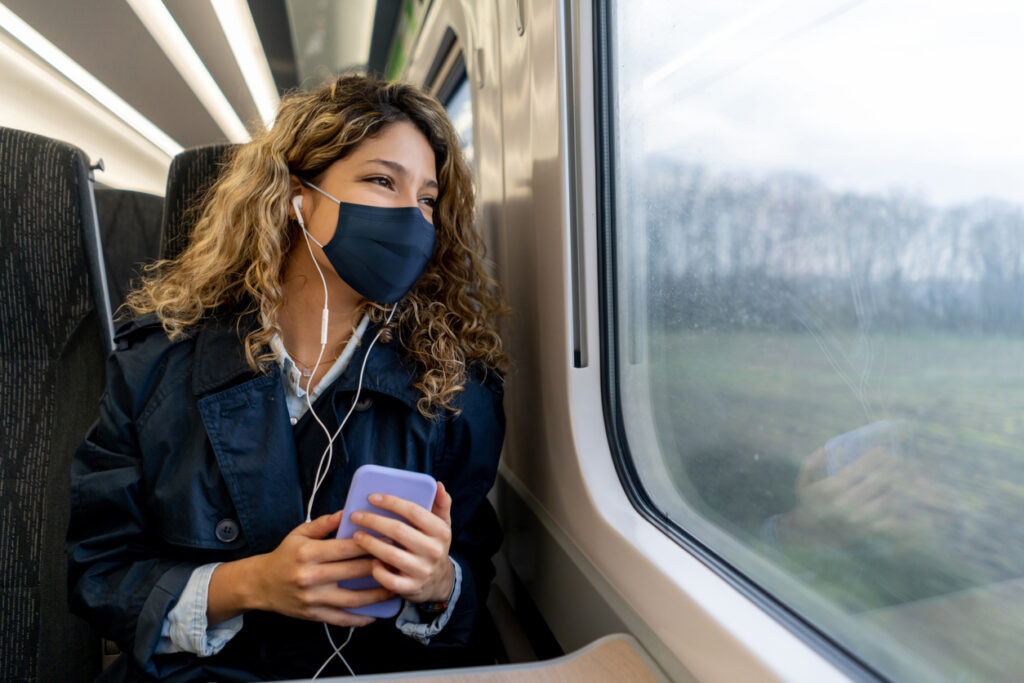
Immunocompromised travelers have additional risks during travel. These include increased susceptibility to infections, decreased responses to medications and vaccines, and the effects of travel on the underlying medical condition. Proactive planning helps minimize those risks and helps develop a plan in case an illness occurs.
In this article, On Call International’s Chief Medical Officer, Dr. Michelle Nathan, outlines key health risks and highlights practical considerations to help immunocompromised travelers plan effectively, reduce potential disruptions, and support safer, more successful travel.
Pre-Travel Medical Assessments are Critical
Immunocompromised travelers should consult their healthcare provider or a travel medicine specialist who is familiar with their condition and medications. Ideally, the evaluation should be 4-6 weeks before travel to allow time to assess the risk for infections and diseases, plan vaccinations, and adjust medications as needed. The healthcare provider should be familiar with the traveler’s destination-specific infectious risks, destination healthcare infrastructure, and any planned activities that may increase exposure.
Vaccinations should be initiated several months before travel. Routine vaccines should be updated, and destination-specific vaccines should be identified. In some cases, immunocompromised travelers may need additional booster vaccines to ensure immunity to an illness. Some travel vaccines may be contraindicated, which may limit destinations for the traveler.
Precautions During Travel
Travel includes exposures that pose additional concern for immunocompromised travelers. These include crowded hubs, prolonged flights, food and water-borne pathogens, vector-borne diseases, and respiratory viruses. In addition to a thorough pre-travel medical assessment, immunocompromised travelers can take additional steps for safer travel:
Environmental precautions:
Follow safe food and water precautions
-
- Avoid uncooked vegetables, raw and unpeeled fruits
- Avoid raw or undercooked meat, fish, shellfish, or eggs
- Avoid unpasteurized dairy/milk products
- In areas with unsafe water, use commercially bottled water or disinfected water
- In areas with unsafe water, avoid ice and other drinks made with tap water
Respiratory illness precautions:
-
- Use masks in crowded areas, such as airplanes, ground transportation, and gatherings
- Change masks frequently
- Avoid exposure to people who may be ill
- Pack and use antibacterial hand wipes or hand sanitizer regularly
- Wipe down surfaces with disinfectant wipes
- Use sun protection regularly
In areas with vector-borne diseases, use insect repellents and protective clothing
Medication precautions:
-
- Verify the medication rules for each destination and carry the appropriate documentation
- Carry medications in original packaging and in carry-on luggage
- Keep refrigerated medications on ice/gel packs while traveling
- Bring extra medications in case of travel delays
- Do not assume that medications will be available at travel destinations, and be aware that medications purchased at destinations may be counterfeit
- Carry a travel health kit with over-the-counter medications and a basic first aid kit
Have a Plan for Accessing Emergency Medical Care
Access to appropriate care is not guaranteed in all destinations, particularly for immunocompromised travelers. Travelers should understand how to access emergency assistance if illness occurs abroad, including support for locating appropriate providers, coordinating care, and navigating unfamiliar healthcare systems. Travelers should also identify facilities capable of treating their condition and ensure they have access to assistance that can help guide decisions and arrange care at any time, if needed.
Travelers should also confirm that their medical coverage includes services often critical in an emergency, such as care coordination, medical evacuation, and support for pre-existing conditions. Having a clear plan for accessing assistance—especially when timely guidance is needed—can help ensure care is delivered more effectively in an unfamiliar setting.
Final Thoughts:
Immunocompromised travelers can and do travel safely when risks are thoughtfully assessed and managed. With the right preparation–including a clear plan for accessing medical care and emergency assistance–travelers are better positioned to navigate unexpected health issues and receive appropriate care, even in unfamiliar environments.
Want to learn more? Contact us today to learn more about our travel risk management and emergency assistance services.
About On Call International:
When traveling, every problem is unique–a medical crisis, a political threat, even a common incident such as a missed flight. But every solution starts with customized care that ensures travelers are safe and protected. That’s why for over 30 years, On Call International has provided fully-customized travel risk management and emergency assistance services protecting millions of travelers, their families, and their organizations. Visit www.oncallinternational.com and follow us on LinkedIn to learn more.