This On Call International article will discuss the following:
-
- How water scarcity is becoming an increasingly important travel risk and sustainability concern, examining how growing pressure on freshwater resources is affecting destinations around the world and creating new operational, environmental, and community challenges for travelers and organizations.
- The impact that tourism and business travel can have on local water resources and infrastructure, highlighting how traveler consumption patterns can contribute to water stress in regions already facing resource constraints and why organizations should consider these factors when planning travel.
- Practical ways organizations and travelers can support responsible and sustainable water use, including selecting environmentally conscious accommodations, reducing water and plastic consumption, incorporating water resource awareness into travel planning, and preparing for water-related disruptions as part of broader travel risk management efforts.
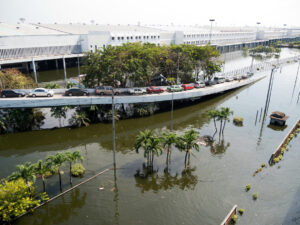
Water scarcity is emerging as one of the most significant and least recognized constraints on global travel. Beyond the familiar advice to avoid tap water or ice in certain destinations, many regions are facing structural pressures on the availability, safety, and management of fresh water supplies. Coastal communities, canal cities, arid landscapes, and island nations are contending with limited fresh water supplies and fragile waste management systems that were not designed to support today’s tourism and business travel demands.
Tourism and business travel can intensify these vulnerabilities. A UN report found that hotel water use per guest in most countries far exceeds that of the local population. For example, a study of luxury wildlife lodges across Namibia, Botswana, and South Africa found that the average water consumption per guest was more than 2,000 liters (500 gallons) per night. What may feel like the normal comforts of travel – long showers, multiple swimming pools and manicured golf courses – draw on water resources that are already strained.
Although tourism brings economic benefits to local communities, it can also add significant stress in places that lack robust infrastructure to provide clean water and sanitation, disproportionately affecting vulnerable local populations. Water scarcity is no longer limited to developing regions. Water crises are emerging in destinations such as Bali, Ibiza, Las Vegas, and Goa, with London, Tokyo, and Sao Paulo all predicted to face acute shortages in the coming years.
For organizations and their travelers, this expands the map of locations where water-related disruptions, health risks, and community tensions must now be factored into trip planning.
Practical Steps to Support Water Sustainability
To help reduce the impact and support local communities, organizations should prioritize accommodations that reprocess water, limit unnecessary laundry, compost food waste, and minimize single use plastics. They can also steer travel programs towards destinations or properties that invest in desalination systems or provide safe, reusable alternatives to bottled water.
Clear protocols that support sustainable travel best practices can also promote lower-impact travel behavior across the organization. Encouraging the use of reusable bottles, portable filtration systems such as LifeStraw or GRAYL GeoPress, and using durable cutlery or reusable shopping bags help reduce plastic consumption. This is especially important in island nations and remote regions where recycling can be costly and limited. Sharing this guidance with travelers broadens awareness and strengthens resilience across the organization’s travel program.
While global water pressures will not be resolved quickly, organizations can play a meaningful role by integrating water resource awareness into risk briefings, and traveler education.
Looking ahead to 2026, water scarcity will no longer be a peripheral concern but a key risk factor shaping where and how organizations can operate. As these pressures intensify, destinations that once seemed low-risk are becoming more vulnerable to disruptions – from water rationing and service outages to heightened competition for basic resources. Recognizing water availability as a core element of travel planning is now essential. The challenge is not only managing the risks traveling employees face but also understanding how that travel affects local communities and how the impact can be reduced.
About On Call International:
When traveling, every problem is unique–a medical crisis, a political threat, even a missed flight. But every solution starts with customized care that ensures travelers are safe and protected. That’s why for over 30 years, On Call International has provided fully-customized travel risk management and emergency assistance services, protecting millions of travelers, their families, and their organizations. Visit https://www.oncallinternational.com and follow us on LinkedIn to learn more.