This On Call International article will discuss the following:
-
- How NGO-led environmental activism is influencing the global travel landscape, examining the rise of environmental protest movements, their objectives, and the ways demonstrations, blockades, and advocacy campaigns are increasingly affecting transportation networks, tourism operations, and traveler mobility.
- The potential impacts of environmental protests on travelers and organizations, including transportation delays, restricted access to tourist destinations, operational disruptions, and safety considerations that may arise during periods of civil unrest or heightened protest activity.
- How travelers can prepare for and navigate protest-related disruptions responsibly, highlighting the importance of monitoring travel advisories, maintaining situational awareness, respecting local communities and concerns, leveraging travel risk management resources, and supporting sustainable travel practices while abroad.
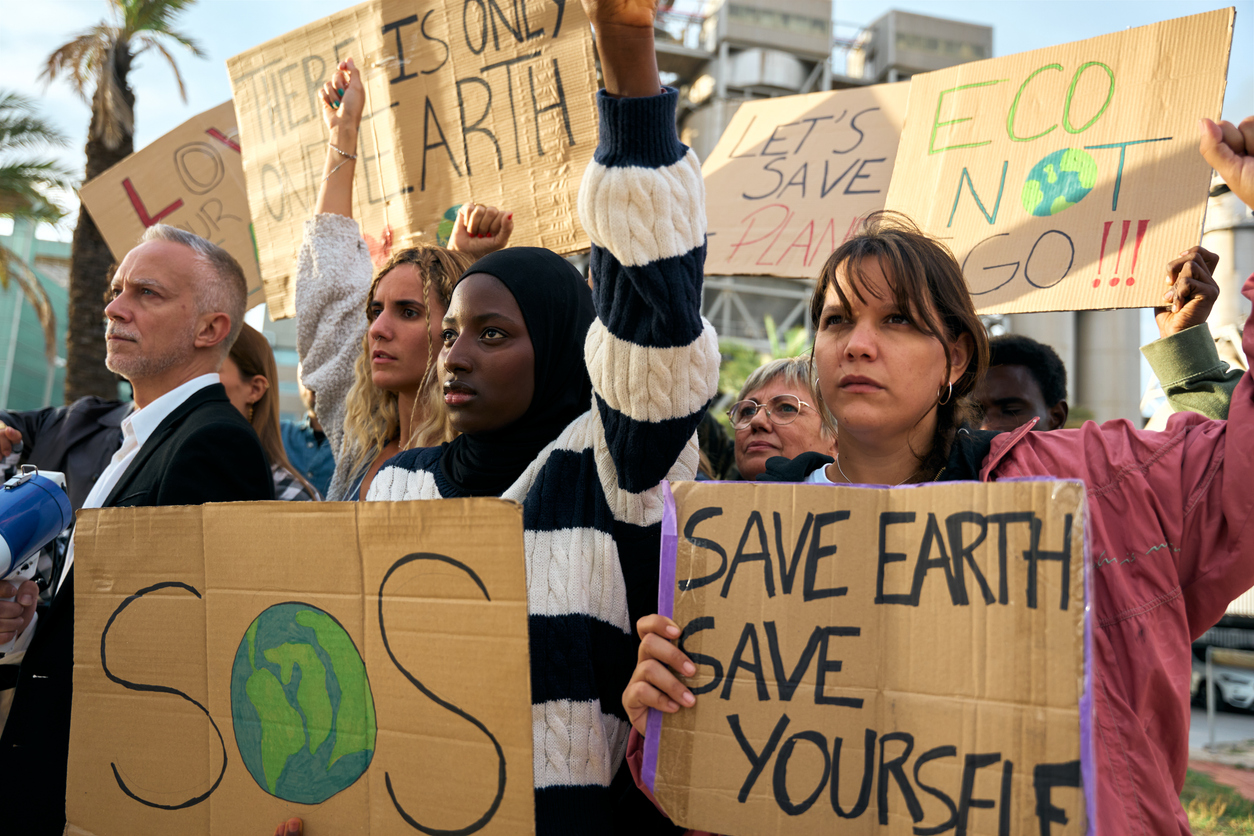
In recent years, environmental protest movements have gained momentum around the world and non-governmental organizations (NGOs) are playing an increasingly prominent role. These movements, often aimed at combating climate change, protecting biodiversity, and opposing environmentally destructive projects, are having an increasing impact upon travel and tourism. For travelers, understanding the nature, scope, and potential disruptions caused by these protests is essential for safe and responsible travel.
The Rise of NGO-Led Environmental Activism
Many NGOs have become prominent actors in environmental advocacy, their campaigns often involving direct action such as peaceful protests, blockades, and civil disobedience. Their mission? To draw attention to urgent environmental issues, such as fossil fuel dependency, deforestation, and the ecological impact of mass tourism.
For example, in Marseille, France, activists from Extinction Rebellion and Stop Croisières blockaded the city’s cruise ship port in protest against the pollution caused by these large vessels, delaying the departure of multiple ships and disrupting port operations. Similarly, in Australia, Rising Tide organized a kayak blockade of the coal port at Newcastle, resulting in over 170 arrests under strict laws introduced to curb protests that disrupt business operations.
Civil Disruption and Travel Impacts
While these protests are often peaceful, they can lead to significant civil disruption. Travelers may encounter:
-
- Transport delays – blockades of roads, ports, or airports can cause delays or cancellations.
- Restricted access – tourist sites may be closed during strikes or protests as happened in Paris when employees at the Louvre staged a walkout in protest against overtourism.
- Safety concerns – although most protests are nonviolent, tensions can escalate, especially in areas with a heavy police presence or where counter-protests are taking place.
In addition, overtourism in Europe has sparked widespread protests in cities like Barcelona, Venice, and Lisbon, where locals have demonstrated against the strain tourism places on housing, infrastructure, and the environment. These protests, while not always targeting tourists directly, can still affect their experience and mobility.
Legal and Political Context
Governments in several countries have responded to environmental activism with increased legal restrictions. New laws in Australia, the U.K. and the U.S. have expanded police powers and criminalized certain protest tactics, leaving activists facing legal challenges, including restrictions on funding and operations.
The United Nations (UN) and other international bodies have expressed concern over the repression of environmental protestors with the UN Economic Commission for Europe issuing new guidelines emphasizing the right to peaceful protest and calling on states to uphold international human rights standards.
Travel Advisory Considerations
Looking ahead to 2026, travelers should consult official travel advisories before departure. The U.S. Department of State, for example, issues alerts that include risks related to civil unrest and protests. Enrolling in programs like the Smart Traveler Enrollment Program can also equip travelers with timely updates from local embassies.
Additionally, organizations and travelers can turn to their Travel Risk Management and emergency assistance providers to help them:
-
- Monitor local news for protest activity in destination cities.
- Avoid protest zones, especially if unfamiliar with local laws.
- Respect local sentiments, particularly in areas affected by overtourism.
- Support sustainable tourism, including the use of eco-friendly transport and accommodation.
NGO-led environmental protests are a vital part of global efforts to address climate and ecological crises. While they may cause temporary disruptions, they also highlight the urgent need for sustainable travel practices, a challenge in which travelers have a key role to play. By staying informed, respecting local communities, and making environmentally conscious choices, travelers can stay informed and navigate potential disruptions more effectively in 2026.
About On Call International
When traveling, every problem is unique–a medical crisis, a political threat, even a missed flight. But every solution starts with customized care that ensures travelers are safe and protected. That’s why for over 30 years, On Call International has provided fully-customized travel risk management and emergency assistance services, protecting millions of travelers, their families, and their organizations. Visit https://www.oncallinternational.com and follow us on LinkedIn to learn more.