This On Call International article will discuss the following:
-
- The impact of geopolitical conflict on traveler safety and mobility, examining how the Iran-Israel crisis disrupted regional transportation networks, affected commercial aviation, created uncertainty for travelers, and increased the need for real-time travel risk management and emergency support.
- Key travel risk considerations and preparedness measures during periods of regional instability, including guidance on air and land travel disruptions, shelter-in-place protocols, emergency preparedness, communication contingency planning, embassy coordination, and maintaining situational awareness through trusted information sources.
- How travel risk management and emergency assistance providers support travelers during global crises, highlighting the role of real-time monitoring, risk intelligence, traveler guidance, crisis response coordination, and 24/7 support services in helping organizations and travelers navigate rapidly evolving security situations safely and effectively.
Background:
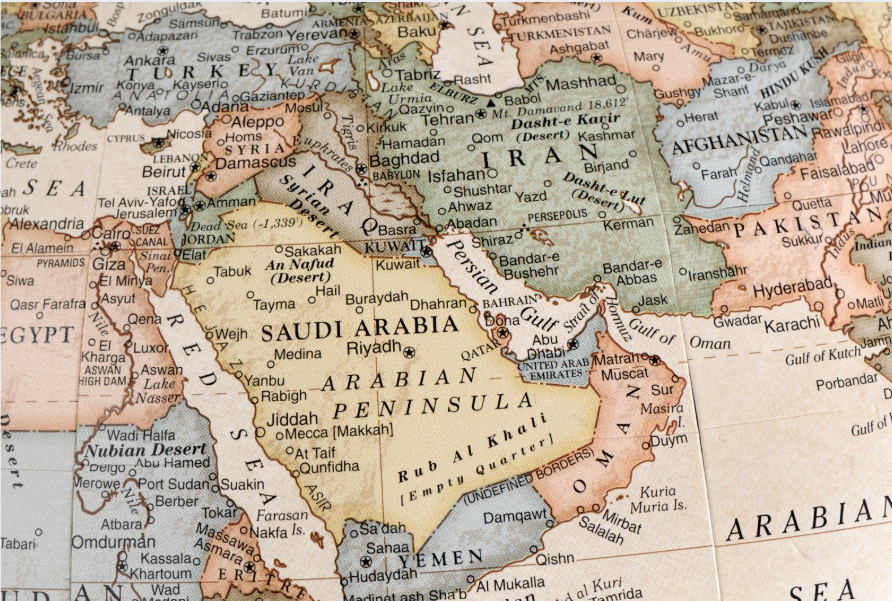
In the early hours of June 13, the Israeli Air Force (IAF) launched coordinated preemptive strikes on multiple high-value targets (HVTs) in Iran, including but not limited to military infrastructure and nuclear development sites in and around the capital, Tehran. This marked a significant escalation in tensions between the two regional powers and was the most direct military engagement between the nations in over a decade. Iran’s Islamic Revolutionary Guard Corps (IRGC) installations, ballistic missile sites, and nuclear enrichment facilities were targeted. A state of emergency was declared in both countries, with heightened military readiness and widespread disruption to civilian life and commercial aviation. As of June 24, both sides remain under a United States (U.S.) brokered ceasefire, but the situation still remains fluid and uncertain.
Standing Advice:
Air Travel: Expect significant disruption to regional air traffic, including rerouting and flight cancellations.
Land Travel: Expect significant delays and potential secondary screenings at land border crossings into Jordan and Egypt.
Shelter-in-Place: In both nations, shelter-in-place protocols should be followed if residing in affected areas. Clients should maintain a 72-hour emergency supply kit.
Communications: Mobile and internet outages may occur. Travelers should carry analog backup options (paper maps, local contact numbers, etc.).
Diplomatic Missions: Remain in contact with relevant embassies; some Western missions have issued warnings or temporarily suspended operations.
Monitoring: Maintain situational awareness through trusted sources. Avoid sensitive infrastructure, military areas, and locations of symbolic or strategic value.
How On Call Can Help:
On Call’s 24/7 Global Response Center is actively monitoring and responding to the crisis in the Middle East and the impacts it is having on other regions of the world. The situation is fluid, and our Global Response Center stands ready to assist our travelers and clients in need.
As during any other global crisis, it’s important to remain vigilant and consume information/advice from credible sources only. On Call’s travelers and clients are encouraged to consult with On Call’s Global Response Center directly for the latest situation updates and related traveler safety recommendations. If you’re not currently an On Call client, and would like to know more about our crisis response capabilities, please feel free to get in touch with us for more information.
The information provided to you within this report has been compiled from a multitude of available sources and is based on current news and analysis at the time of writing. The security team at On Call International, LLC has provided this analysis, supporting advice and recommendations in good faith to assist you in mitigating risks that could arise. However, no implied or express warranty against risk, changes in circumstance, or other fluid and unforeseen events can be provided. By reading this report, you will agree that any reliance you place on this information is therefore strictly at your own risk and that you will not hold On Call International, LLC or the authors responsible for any inaccuracies, errors or oversights here-in. No part of this publication may be reproduced, stored in a retrieval system, or transmitted, in any form or by any means, electronic, mechanical, photocopying, or otherwise without the prior permission of On Call International, LLC.