This On Call International article will discuss the following:
-
- How turbulence is changing and why it is receiving increased attention from travelers and the aviation industry, explaining what causes turbulence, how pilots and airlines monitor and manage it, and why severe turbulence events appear to be occurring more frequently on some flight routes.
- The relationship between climate change, atmospheric conditions, and aviation safety, highlighting how warming temperatures and shifting atmospheric patterns may contribute to increased clear-air turbulence and other flight-related challenges, as well as the measures airlines are taking to better predict and mitigate these risks.
- Practical steps travelers can take to stay safe during turbulent flights, emphasizing the importance of following crew instructions, keeping seatbelts fastened whenever seated, securing personal belongings, and understanding how preparation and awareness can help reduce the risk of injury during unexpected turbulence events.
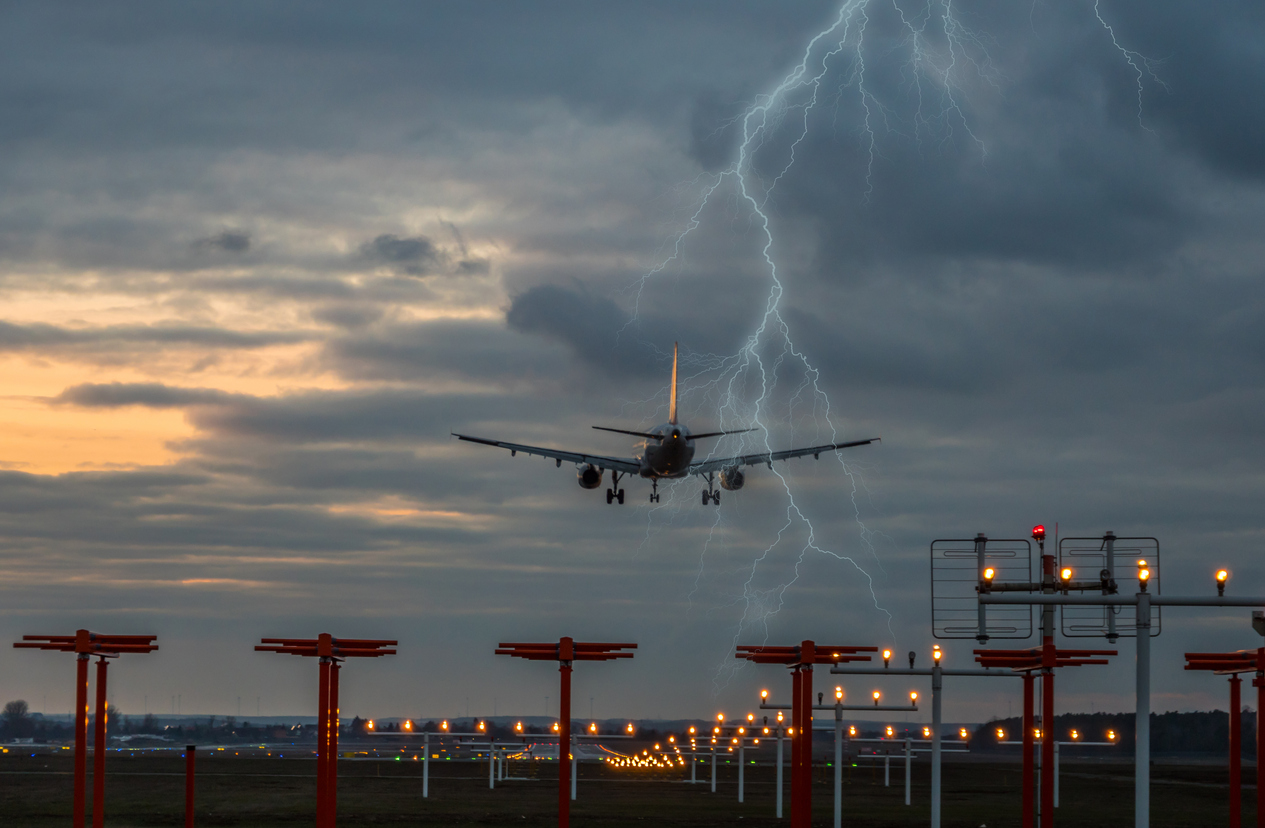
In the vast majority of cases, turbulence on a flight is nothing more than an inconvenience and at worst, an alarming experience. But in the last year, severe turbulence has been hitting the headlines with increasing frequency and what was once a rare in-flight event, now seems to be occurring with greater regularity.
To understand why turbulence is intensifying, it’s important to know what it is and how pilots and crews work to avoid it. In the simplest terms, turbulence is the irregular motion of air caused by shifting wind speeds and directions at different altitudes. Invisible currents can arise from storms, jet streams, mountain waves, or temperature gradients. Modern flight operations use advanced planning tools, including satellite weather imagery and predictive models, to map potential turbulence zones. In flight, onboard radar and pilot reports (PIREPs) provide real-time updates, allowing crews to adjust their altitude or route to reduce discomfort and maintain safety.
Despite these precautions, the data is clear – the skies are getting rougher. Since the early 1980s, severe turbulence over the North Atlantic – one of the world’s busiest flight corridors – has increased by roughly 55% and in the last 15 years. More than 200 passengers and crew members in the U.S. have sustained turbulence-related injuries serious enough to require hospitalization. And in 2023, turbulence accounted for over 40% of all serious in-flight injuries, a sharp reminder that even in this technologically advanced era of aviation, nature still holds the upper hand.
Climate Connection and Industry Response
As global temperatures rise, atmospheric dynamics are shifting. Warmer air holds more energy, fueling stronger jet streams and creating greater instability in the upper atmosphere. This leads to a rise in clear-air turbulence, regarded as the most dangerous kind as it occurs without visual cues or weather radar detection. For pilots and passengers alike, these invisible pockets of rough air can strike without warning, often in otherwise clear skies.
Advances in predictive weather modeling, enhanced real-time turbulence detection systems, and improved airframe design are helping mitigate this emerging risk. Cabin crew training now emphasizes turbulence preparedness, from securing service equipment to reinforcing passenger safety compliance. Some carriers are also exploring AI-driven flight optimization, using data from thousands of previous flights to predict turbulence intensity along specific routes.
Staying Safe in a Changing Sky
Looking ahead to 2026, preparation remains critical. The best protection against severe turbulence is simple – keep your seatbelt fastened whenever seated, avoid storing heavy items in overhead bins, and follow crew instructions immediately during turbulence. Small actions can make a big difference in preventing injury.
The aviation industry is adapting to a changing atmosphere with smarter planning, better technology, and more informed travelers. While flying remains the world’s safest mode of transportation, as our skies evolve, so must our strategies for navigating them.
About On Call International
When traveling, every problem is unique–a medical crisis, a political threat, even a missed flight. But every solution starts with customized care that ensures travelers are safe and protected. That’s why for over 30 years, On Call International has provided fully-customized travel risk management and emergency assistance services, protecting millions of travelers, their families, and their organizations. Visit https://www.oncallinternational.com and follow us on LinkedIn to learn more.