This On Call International article will discuss the following:
-
- The unique security and operational challenges associated with supporting travelers in remote, high-risk, and resource-limited environments, highlighting how factors such as limited government presence, underdeveloped infrastructure, restricted transportation options, and evolving security threats can complicate emergency response efforts for travelers and organizations operating in these regions.
- How travel risk management and security teams leverage local networks and global partnerships to facilitate emergency evacuations, demonstrating the importance of maintaining relationships with local providers, international organizations, government agencies, embassies, and on-the-ground contacts to identify safe transportation, accommodations, and evacuation solutions when conventional options are unavailable.
- A real-world example of emergency security assistance and evacuation from South Sudan, illustrating how On Call International’s Global Security Team coordinated information gathering, assessed transportation alternatives, engaged international stakeholders, and successfully facilitated the safe extraction of an NGO worker facing a credible security threat in a remote area with limited infrastructure and support resources.
 Background
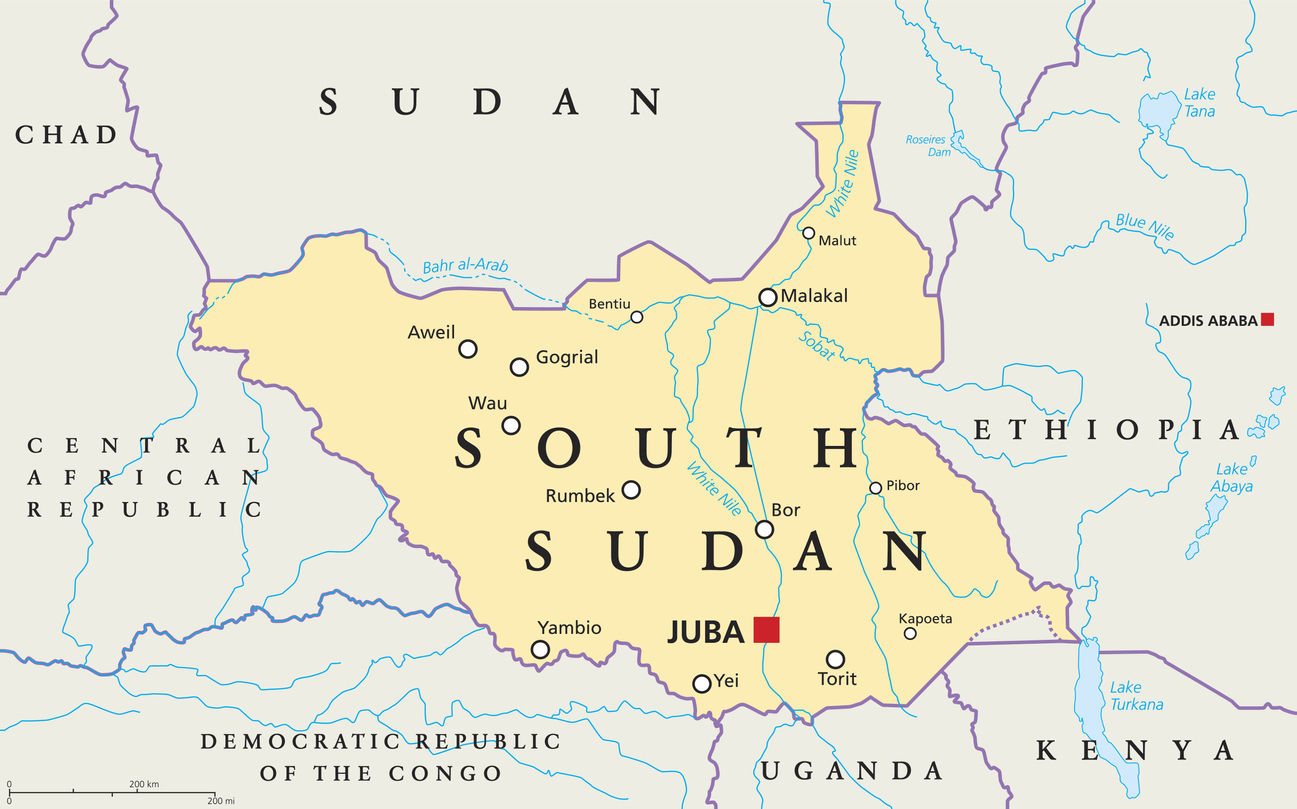
Mankien is a small village in South Sudan near the northern border. Far from the capital Juba, this region has little to no police or government presence and is largely controlled by local militias through whom NGO aid groups gain permission to carry out operations.
Initial Assistance Request
An NGO worker in Mankien received a threat to their personal safety and reached out to On Call International for assistance. On Call’s Global Security Team outreached to several local providers, government agencies, and the U.S. and Canadian Embassies in Juba. Within this outreach, inquiries were made into capabilities to provide accommodations in Mankien, transport (preferably via air) from Mankien to Juba, and any knowledge that might be had regarding UN charter flights for cargo that could carry travelers in emergency circumstances. Outreach was also made by On Call’s Global Security Team with other NGO contacts operating in Mankien for intelligence on charter flight resources and potential ground transport options.
Evacuation Success
Ultimately, after liaising with several different local contacts and scoping different transportation options, On Call’s Global Security Team was able to identify and directly contact the global UN Charter Office in Rome. Once the Security Team was able to confirm the NGO worker was in harm’s way, the global UN Charter Office connected On Call with the South Sudan Charter UN Office’s after hours’ contact. From there, On Call’s Global Security Team was able to directly connect the NGO worker and the South Sudan UN Charter Office to discuss the situation. Once the final determination regarding the NGO worker’s safety was made, an emergency flight was scheduled for the next morning to pick the worker up from Mankien to be transported over to Juba.
On Call monitored the NGO worker until a safe arrival in Juba was able to be confirmed. This evacuation operation out of South Sudan is a great example of On Call’s expansive networking capabilities, and the Global Security Team’s ability to leverage its local contacts and resources to remove travelers from harm’s way.
About On Call International:
When traveling, every problem is unique–a medical crisis, a political threat, even a common accident such as a missed flight. But every solution starts with customized care that ensures travelers are safe and protected. That’s why for over 25 years, On Call International has provided fully-customized travel risk management and emergency assistance services protecting millions of travelers, their families, and their organizations. Visit www.oncallinternational.com and follow us on LinkedIn to learn more.