
This On Call International article will discuss the following:
-
- The unique travel risk landscape business travelers and organizations should consider when traveling to China, highlighting how security concerns can extend beyond traditional physical safety risks to include privacy, information security, sensitive business communications, and the protection of proprietary corporate data.
- How China’s evolving legal and regulatory environment can affect international business travel, examining considerations related to data security, personal information protection, counterespionage regulations, exit restrictions, and the heightened regulatory exposure that may affect travelers working in strategically significant industries.
- Practical strategies organizations can use to mitigate security, legal, and information risks for travelers in China, including the use of clean devices, limiting access to sensitive information, reviewing industry-specific risks, understanding local laws and regulations, and incorporating these considerations into pre-travel planning to strengthen traveler safety, business continuity, and organizational resilience.
Article Contributed By: Justin Galbraith, On Call Global Security Specialist
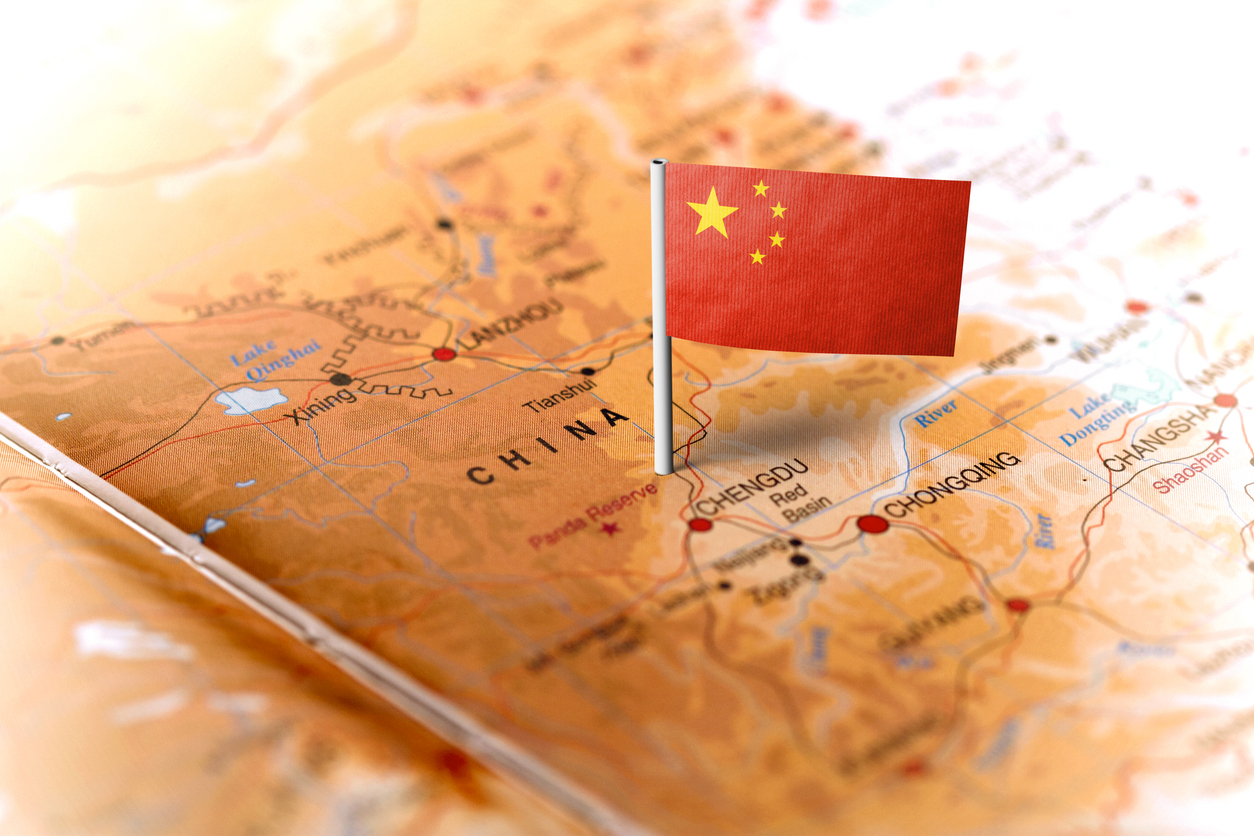
China remains one of the world’s most important business travel destinations, attracting business travelers and executive leaders from a wide range of industries. At the same time, China presents a travel risk environment that differs from many other business travel destinations. For organizations with employees traveling to China, the primary concerns often extend beyond traditional travel safety issues and include a convergence of security, legal, and business risks that can impact travelers.
Security Risks Beyond Traditional Travel Concerns
Unlike many destinations where crime and physical safety are the primary security considerations, business travel risk in China is often shaped by broader concerns related to privacy and information security.
Violent crime rates remain comparatively low, and most travelers complete their visits to China without incident. However, many organizations are increasingly focused on the protection of sensitive information, business communications, and proprietary data while employees are in-country. Travelers may operate in an environment where digital activity, communications, and business interactions are subject to a higher degree of scrutiny than they may experience elsewhere. Notably, due to the increased scrutiny of digital activity, many organizations instruct employees to bring ‘clean devices’ into China that have been cleansed of any sensitive corporate information.
An Evolving Legal and Regulatory Landscape
Legal and regulatory developments have become an increasingly important consideration for organizations with personnel traveling to China. Over the past decade, China has expanded legislation related to national security, counterespionage, data governance, and information protection.
Laws such as the Data Security Law (DSL), Personal Information Protection Law (PIPL), and amendments to the Anti-Espionage Law have become increasingly relevant to business travelers in China. These regulations expand government oversight of data, information access, and activities that may intersect with national security concerns. As a result, travelers carrying sensitive corporate information or conducting business in sectors such as technology, healthcare, manufacturing, or defense may face legal and regulatory risks that extend beyond those typically encountered during international travel. The evolving legal framework has made regulatory exposure an increasingly vital component of corporate travel risk assessments for China.
Another area that has drawn attention from multinational organizations is the use of exit restrictions. In certain circumstances, individuals may be prohibited from leaving China while legal disputes, regulatory matters, or national security-related issues are under investigation. Although such cases are uncommon, they have highlighted the broader legal environment in which international business travelers operate and contributed to increased corporate focus on traveler mobility and legal risk.
Travel Risks for Certain Industries
The nature of a traveler’s work and the industry they represent can also influence their exposure to risk. Organizations operating in sectors such as technology, healthcare, manufacturing, critical infrastructure, defense, and advanced research often face a more complex travel environment due to the strategic significance of these industries.
Executives and employees traveling on behalf of organizations in these sectors may encounter heightened regulatory scrutiny or additional concerns surrounding the protection of intellectual property, proprietary information, and business activities. As governments worldwide continue to prioritize economic security and technological competitiveness, businesses operating across borders are increasingly navigating a landscape shaped by national security considerations as well as commercial interests.
A Different Kind of Travel Risk
Given China’s unique travel risk environment, organizations and travelers can take practical steps to reduce potential exposure. Many multinational organizations advise employees to travel with “clean devices” that contain only the information necessary for the trip and avoid carrying sensitive data whenever possible. Travelers should ensure they understand their organization’s policies regarding device usage, data access, and secure communications before departure.
Organizations may also benefit from reviewing the purpose of travel, the sensitivity of business activities being conducted, and any industry-specific regulatory considerations that could adversely impact employees while in-country. Additionally, travelers should maintain awareness of local laws and regulations, avoid discussing sensitive political topics, and understand that activities that may appear routine in other countries can carry different legal or regulatory implications in China. Incorporating these considerations into pre-travel planning can help organizations support traveler safety while reducing legal, regulatory, and information security risks.
While China continues to play a critical role in the global economy, its unique travel risk environment requires organizations to look beyond traditional safety concerns. By understanding the security, legal, and regulatory landscape, organizations can plan more effectively, support their travelers, and approach business travel with greater confidence and preparedness.
Want to learn (even) more about safe travel planning and preparation? Contact us today to learn more about On Call’s travel risk management and emergency assistance solutions