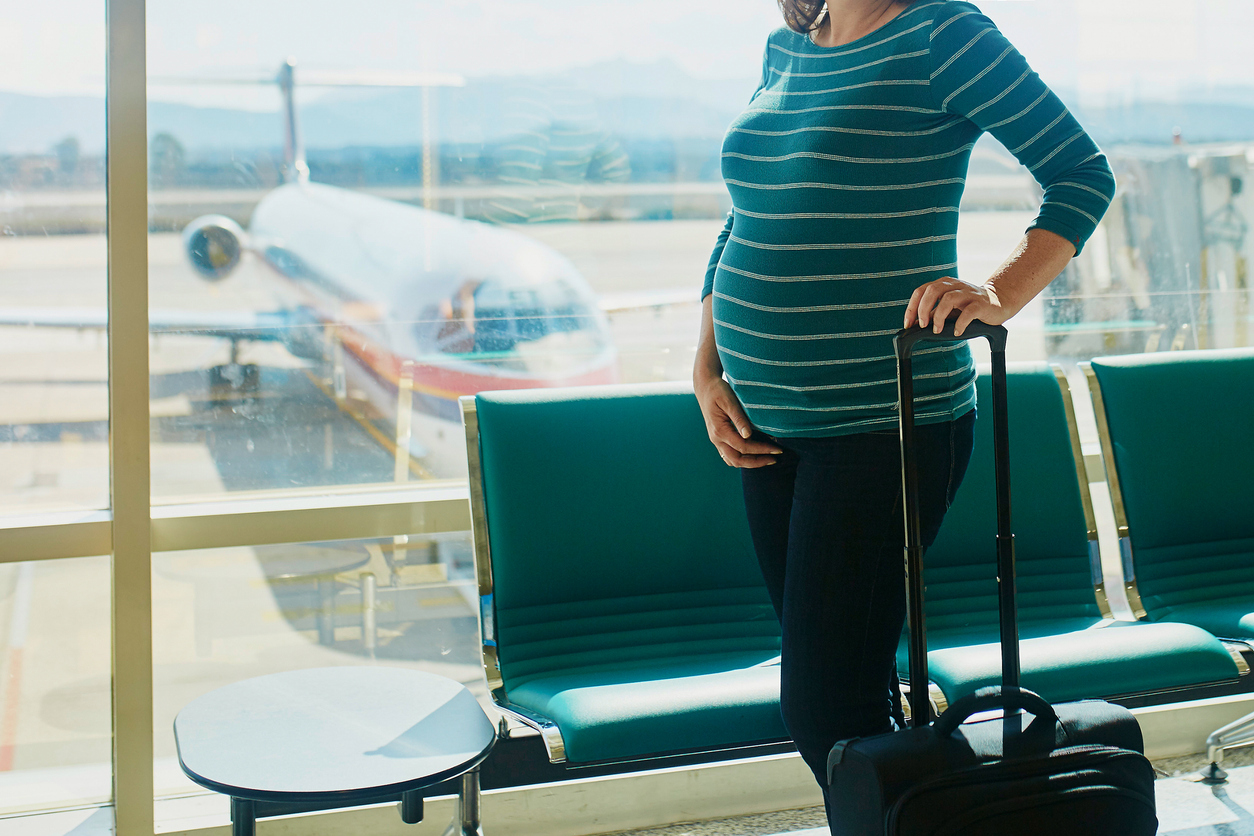
Traveling While Pregnant: What Travelers Should Know Before They Go
Pregnancy does not necessarily mean travel is off the table. Many people travel safely during pregnancy, whether for work, family, or leisure. However, pregnancy can change how the body responds to stress, fatigue, altitude, illness, and medical emergencies. Thoughtful preparation and planning is essential to ensure safety, comfort, and peace of mind for pregnant travelers.
Our Chief Medical Officer, Dr. Michelle Nathan, answers some of the most common questions about pregnancy and travel, helping travelers make informed, medically sound decisions regardless of where their journeys take them.
Is it safe to travel during pregnancy?
Dr. Nathan: For most healthy pregnancies, travel is generally safe as long as you take precautions for a safe and enjoyable trip. The best time to travel is usually during the second trimester (approximately weeks 14–27). During this period, many pregnancy-related symptoms such as nausea and fatigue have improved, and the risk of certain complications is lower.
That said, every pregnancy is different. Travelers should consult their obstetric provider before making travel plans, particularly if they have a high-risk pregnancy, underlying medical conditions, or a history of pregnancy complications.
Organizations supporting pregnant travelers should encourage individualized medical clearance rather than a one-size-fits-all approach.
Is it safe to go through TSA while pregnant?
Dr. Nathan: Yes, it is safe to go through airport security while pregnant. Most full-body screening machines at airports use non-ionizing radiation, which is not harmful to the body. If pregnant travelers are still concerned, they can request a pat-down instead.
Are there times during pregnancy when travel is not recommended?
Dr. Nathan: Yes, there are conditions in pregnancy that are considered absolute contraindications to travel. Travelers should check with their doctors to ensure none of these conditions are present prior to travel, including:
Cervical insufficiency
Placental abruption
Pre-clampsia
Premature rupture of membranes
Threatened miscarriage
Vaginal bleeding
Travel may be discouraged with certain conditions such as:
Abnormal fetal presentations
Multiple gestation
High blood pressure
Diabetes
Placental abnormalities
Travel late in the third trimester is generally discouraged. Most US airlines do not allow travel after 36 weeks. Cruise lines generally restrict travel after 24 weeks and may require a physician’s note for pregnant travelers. Travelers should verify the carrier’s policies in advance of travel.
What should pregnant travelers consider when choosing a destination?
Dr. Nathan: Destination selection is a key part of travel planning. Travelers should consider:
Availability of medical, specifically obstetric and neonatal, care
Access to obstetric care
Distance from large hospitals
Access to neonatal care
Infectious disease concerns
Pregnant women are at higher risk of severe illness from respiratory infections
Pregnant women are more vulnerable to dehydration from gastrointestinal infections
Mosquito-borne illnesses often have fetal effects
Environmental concerns
Pregnant women are more sensitive to respiratory effects from air pollution
Pregnant women are more likely to get heat-related illnesses in extreme heat
Pregnant women should avoid physical activities at high altitudes unless they have trained for these activities
Destinations with limited medical infrastructure may warrant additional planning, medical evacuation coverage, or reconsideration altogether.
Are there health risks related to flying while pregnant?
Dr. Nathan: Commercial air travel is generally safe for uncomplicated pregnancies. However, there are a few things to consider:
Oxygen levels are slightly lower in pressurized aircrafts
Women with conditions that are sensitive to oxygen (such as heart disease, sickle cell disease, and anemia) should discuss air travel with their physician before travel
Prolonged sitting can increase the risk of blood clots/deep venous thrombosis (DVT).
Move and stretch regularly during flights
Perform isometric leg exercises while seated (ankle pumps, heel raises)
Stay well hydrated by drinking lots of fluids without caffeine
Wear seatbelts low across the hips at all times when seated
Talk to your OB-Gyn about whether compression socks are right for you
The usual discomforts of air travel may be more pronounced
Abdominal bloating can be worse in pregnancy
Feet and ankles often swell
Loose fitting clothes, comfortable shoes, and a foot hammock can help manage discomfort
Aisle seating allows for easier movement in the cabin
Those with specific medical risk factors should seek individualized guidance from their healthcare provider before flying.
What vaccinations or medications are safe during pregnancy?
Dr. Nathan: Vaccination guidance during pregnancy is nuanced and depends on destination and timing. Some vaccines are considered safe and recommended, while others may be avoided unless the risk of disease is high. Specific vaccinations need to be discussed with a healthcare provider who is familiar with travel medicine.
Medications need to be reviewed with your healthcare provider to determine their safety in pregnancy. If a traveler needs to purchase medications during travel, we recommend reputable sources, such as pharmacies, and avoiding open markets. Purchased medications should be clearly labeled and have an intact safety seal.
From a duty-of-care standpoint, early consultation allows time to adjust itineraries if certain health protections are not advisable.
What should pregnant travelers pack?
Dr. Nathan: It’s generally a good idea for all travelers to carry a travel health kit with some basic supplies to manage minor illnesses or injuries. A basic travel health kit would include:
Adhesive bandages (for minor cuts)
Blister gel pads or adhesive felt (for blisters)
Antiseptic wipes
Antimicrobial ointment (for cuts or scrapes)
Anti-itch lotions
Acetaminophen (for minor pain relief)
Throat lozenges or cough drops (for irritation from dry air)
Antacids (for stomach upset)
Mild laxative (if prone to constipation)
Pregnant travelers should also pack:
Copies of prenatal records and insurance information
A list of medications and allergies
Prescribed medications
Contact information for healthcare providers and emergency assistance services
Organizations can support this by providing pre-trip checklists and ensuring travelers know how to access medical support abroad.
How can pregnant travelers reduce the risk of illness while traveling?
Dr. Nathan: Pregnancy can alter immune responses, making illness more disruptive. Travelers should:
Practice careful hand hygiene
Be cautious with food and water safety
Avoid exposure to individuals who are ill when possible
Take steps to prevent insect bites where relevant
Avoid contact with unknown animals
If illness does occur, early medical evaluation is important. Seemingly minor symptoms may warrant closer attention during pregnancy.
What planning should organizations consider for pregnant travelers?
Dr. Nathan: Employers and travel managers play an important role in supporting pregnant travelers. Some best practices include:
Allowing flexibility in travel timing or destination when feasible
Ensuring access to 24/7 global emergency assistance
Confirming medical evacuation, telehealth support, and access to maternity care abroad
When should pregnant travelers seek medical care while abroad?
Dr. Nathan: Travelers should seek prompt care for any of the following:
Slowing or stopped fetal movement
Vaginal bleeding or fluid
Changes in vision
Chest pain or rapid heart rate
Dizziness or fainting
Extreme swelling of the hands or face
Persistent or worsening headache
Severe abdominal pain or premature contractions
Severe nausea with vomiting
Severe redness pain or swelling of the leg or arm
Difficulty breathing
Fever of 38C (101F) or higher
Having access to a trusted emergency assistance partner can help travelers navigate unfamiliar healthcare systems and make informed decisions quickly.
Final Thoughts Travel during pregnancy requires additional planning—but with the right preparation, support, and medical guidance, many travelers can do so safely. The goal is not to discourage travel, but to ensure informed decisions that prioritize health, preparedness, and access to care. Want to ensure your pregnant travelers have the support and assistance they need for safe, healthy, and successful travels abroad? Contact us today.
As with all travel health decisions, pregnant travelers should consult their personal healthcare provider to address individual risks and needs.
About On Call International: When traveling, every problem is unique–a medical crisis, a political threat, even a common accident such as a missed flight. But every solution starts with customized care that ensures travelers are safe and protected. That’s why for over 30 years, On Call International has provided fully-customized travel risk management and emergency assistance services protecting millions of travelers, their families, and their organizations. Visit www.oncallinternational.com and follow us on LinkedIn to learn more.
Be the first to get up-to-date travel tips & advice! Read more about our Privacy Policy and our commitment to protecting your privacy.
Stay in Touch
Subscribe to our free quarterly newsletter and follow us on our socials to stay up-to-date with the latest blogs and best practice advice from On Call’s travel health, security and risk management experts.
On Call International provides fully-customized travel risk management services protecting millions of travelers, their families, and their organizations.