The Modern Female Traveler: Navigating Risks in a Changing World
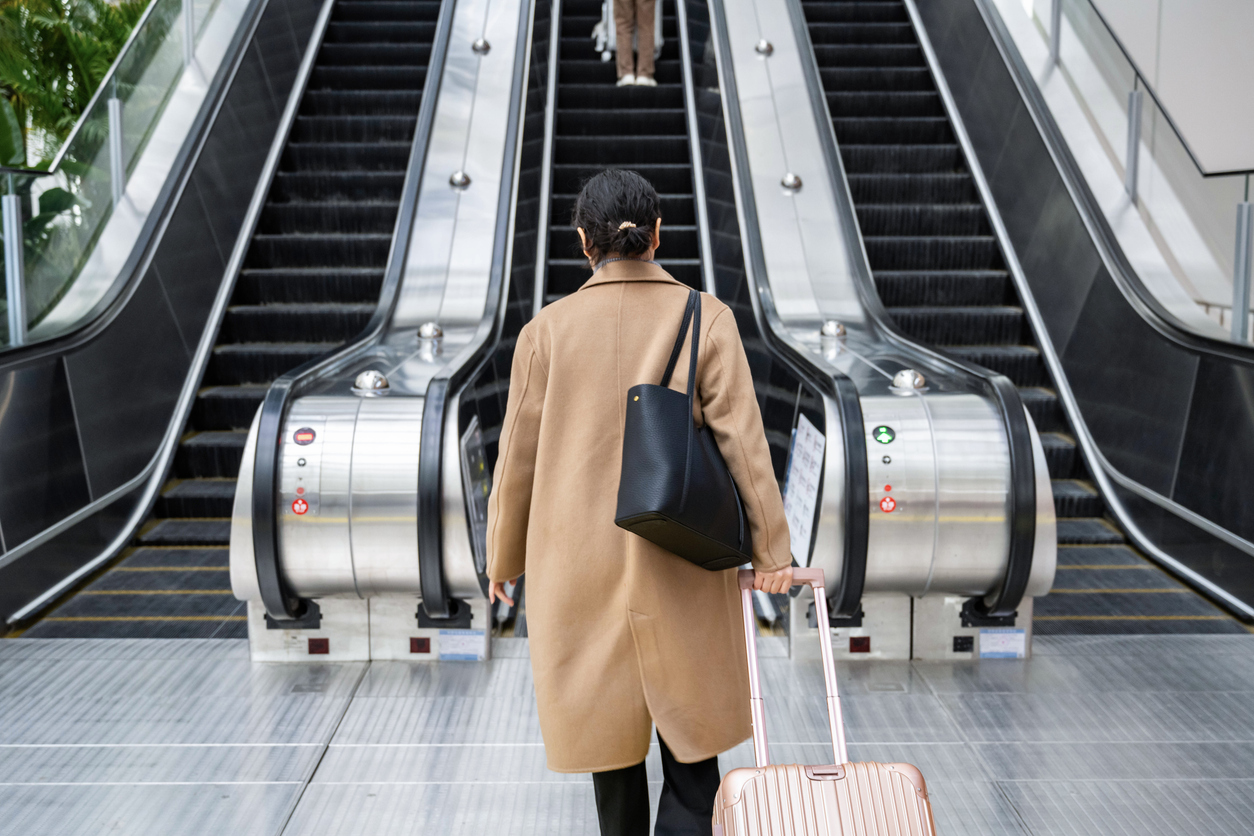
More women and gender‑expansive travelers are exploring the world than ever before, shaping the way individuals and organizations approach mobility, safety, and risk. However, as travel becomes increasingly accessible, new layers of complexity have emerged across physical, digital, and cultural safety. Though more traditional female traveler safety tips are still applicable, a modern safety strategy – one that is inclusive, intersectional, and attuned to evolving technologies – is essential to ensure the safety of today’s travelers.
Digital Safety: The New Essential Layer of Protection
The rise of location‑tracking technology, social‑media exposure, and online impersonation has introduced new challenges. Women today must consider risks such as unwanted Bluetooth tracking, oversharing location data, and the growing threat of digital harassment.
Tips to protect your digital safety while traveling:
Turn off unnecessary Bluetooth and location permissions
Use privacy‑enhanced rideshare apps and encrypted communication tools
Avoid real‑time posting of travel locations
Secure devices with strong passwords and VPN protection
Modern travel safety now extends far beyond physical surroundings, as your digital footprint matters just as much.
Online Dating Safety While Traveling
Online dating has become a popular way to meet people abroad, but it comes with unique risks, especially for women traveling solo. Exercising awareness and controlling the pace of interactions helps maintain safety without sacrificing the fun or social benefits.
Key safety strategies for dating while traveling:
Verify profiles carefully
Cross‑check photos and social media. Fake or sparse profiles are red flags.
Meet in public spaces
Choose well‑lit, busy places and avoid private residences or remote areas for first meetings.
Use in‑app communication
Keep conversations in the app, and avoid sharing your phone number too early.
Share your plans
Let a trusted person know where you’re going and who you’re meeting.
Set exit strategies
Have your own transportation and a backup plan to leave comfortably at any time.
Watch your belongings and drinks
Standard safety rules apply even more strongly when meeting someone new abroad.
Inclusive Safety: LGBTQ+ and Gender‑Expansive Travelers
Female travel safety cannot be addressed without recognizing that many women, lesbian, bisexual, transgender, and nonbinary travelers face heightened legal and social risks in certain destinations. Countries can have significant differences in how they regulate women’s health, appearance, and police responses to assault or harassment.
For LGBTQ+ women, additional layers of caution include understanding:
Local laws governing gender expression
Restrictions on same‑sex relationships
How to discreetly access assistance if needed
An inclusive approach ensures every woman receives guidance tailored to her lived experience.
Mental‑Health and Emotional Safety Abroad
Safety is not only about preventing physical harm; psychological well‑being is equally important. Rapidly changing environments can increase traveler stress and require additional support.
For women, mental‑health safety may include:
Preparing grounding techniques for stressful or threatening encounters
Knowing how to contact embassy‑supported counseling services
Using telehealth for emotional or psychological well-being after harassment
Planning recovery time after moments of fear or discomfort
Women should feel empowered not only to stay safe, but also to stay mentally resilient.
Shared‑Economy Safety: Rentals, Rideshares, and Remote Workspaces
Short‑term rentals, ridesharing apps, and co‑living/co‑working hubs form the backbone of modern travel, but they introduce specific risks for women. It is essential to verify licensed, reputable transportation services, noting the danger of informal taxis and crowded public transit for women traveling alone.
Modern-day travel considerations for women:
Vet short‑term rental hosts carefully
Use rideshare verification tools like PINs and trip‑sharing
Book women‑only tours, hostels, or co‑living spaces when available
These shared‑economy behaviors are essential additions to traditional safety tips.
Intersectional Safety: How Identity Shapes Risk
Risks can differ depending on a traveler’s race, religion, disability, age, or appearance. Clothing norms, cultural expectations, and gender‑related laws may be stricter in some destinations, influencing how women are perceived and treated.
To help mitigate these risks, travelers should research and consider local attitudes towards visible tattoos, hairstyles, clothing choices, religious attire, or visible disabilities; travelers should adapt clothing for cultural fit, without compromising identity. Using women-of-color or disability travel networks may also be useful to help keep peace of mind while abroad.
Empowering all women requires acknowledging these nuanced experiences.
Tech‑Enabled Personal Safety Tools
Today’s safety tools go far beyond whistles or money belts. Women now use:
Wearable alert devices and smart jewelry
GPS‑enabled emergency beacons for remote regions
Street‑harassment‑mapping and crowdsourced safety apps
Encrypted chat apps for unstable environments
These tools offer discreet, modern ways to increase confidence and reduce risk.
Women’s Safety Networks: Community as Strength
Community remains one of the most powerful safety tools. Women‑only global travel groups, online communities, and local female‑led guides offer support systems and real‑time alerts that traditional resources cannot match.
These networks provide destination-specific safety insight, recommend trusted drivers and guides, offer moral support after uncomfortable experiences, and, most importantly, empower all women to travel with confidence, not fear.
For Additional Resources: As the world continues to change, so must women’s travel‑safety guidance. Want to ensure your female travelers have the support and assistance they need? Contact us today.
About On Call International:
When traveling, every problem is unique–a medical crisis, a political threat, even a common incident such as a missed flight. But every solution starts with customized care that ensures travelers are safe and protected. That’s why for over 30 years, On Call International has provided fully-customized travel risk management and emergency assistance services protecting millions of travelers, their families, and their organizations. Visit www.oncallinternational.com and follow us on LinkedIn to learn more.
Be the first to get up-to-date travel tips & advice! Read more about our Privacy Policy and our commitment to protecting your privacy.
Stay in Touch
Subscribe to our free quarterly newsletter and follow us on our socials to stay up-to-date with the latest blogs and best practice advice from On Call’s travel health, security and risk management experts.
On Call International provides fully-customized travel risk management services protecting millions of travelers, their families, and their organizations.